
Why Sustainable Sea Routes Need Cultural Routes
Interreg MED project ECO-SEAROUTES promotes eco-nautical routes as a way to ease the pressure of mass tourism on the Mediterranean coast. The project's goal is to redirect visitor flows away from threatened natural coastal areas, spreading the benefits of tourism more evenly across the region.
- Redistributing tourism flows away from overcrowded hotspots
- Better cooperation across the Mediterranean sustainable tourism
The Phoenicians' Route has been the backbone of the ECO-SEAROUTES project. ECO-SEAROUTES is a natural fit for a meeting with the Cultural Routes of Council of Europe, since both share the same ambition: to guide travellers toward places and stories that lie beyond the usual tourist trail.

European Union funding as the pillar of crossborder cooperation
The event was organised as the parallel event to The 11th Mediterranean Coast and Macro-Regional Strategies Week.
Rui Gomes, Executive Secretary, Enlarged Partial Agreement on Cultural Routes, Council of Europe; Director / European Institute of Cultural Routes participated in several panels of teh official programme. Most important for us was the panel moderated by Irena Marš, Ministry of Culture of Republic of Slovenia: Cultural Routes in Action: Vision for the Future. The panelists discussed the potential of the Cultural Routes of the Council of Europe as an established model for advancing sustainable tourism objectives within the framework of EU macro-regional strategies.

Meeting of Cultural Routes of Council of Europe in Slovenia
After the panel the EUSAIR organisers generously offered free use of the historic Palazzo Manzioli hall in Izola on 15 September for the discussion between members of Cultural Routes of Council of Europe in Slovenia with Rui Gomes, Director of European Institute of Cultural Routes on the state of the art on cultural routes in Slovenia.
2028–2034 programming period
Cultural Routes of Council of Europe have an important European added value and the event served to stress their importance for innovative and sustainable investments in the 2028–2034 programming period.
Palazzo Manzioli venue
The historic hall on Manzioli Square in Izola was made freely available by the EUSAIR organisers for the joint session on 15 September.
13 Cultural Route of CoE in Slovenia
Slovenia is a member of 13 Cultural Routes of Council of Europe, plus three that hope to be certified in the future. The event served for bringing the routes together and discuss further cooperation.
Two Projects, One Shared Stage
As the meeting took shape in Portorož and Izola, it became clear that the Cultural Routes gathering was unfolding at the very same time and in the very same region as the EUSAIR Week for the Mediterranean coast. Rather than letting the two initiatives run past each other, the organisers chose to bring them together, adjusting the programme on-site to make room for a shared moment between both communities.
The EUSAIR organisers generously offered free use of the historic Palazzo Manzioli hall in Izola on 15 September, opening the door to a joint session that let Cultural Routes representatives and Mediterranean sustainable tourism stakeholders speak to the same room.
Adapted programme
The agenda was reshaped on the spot to accommodate a parallel initiative unfolding in the same week and the same towns.
Palazzo Manzioli venue
The historic hall on Manzioli Square in Izola was made freely available by the EUSAIR organisers for the joint session on 15 September.
New session added
A dedicated session was inserted into the programme, bringing the two communities into direct dialogue for the first time.
Moments like this, two networks meeting on the same stage, are exactly what ARTOUR was built to support: giving every network its own space to share content and stories, while making it just as easy to connect with other networks, projects and routes across borders.
Day 1 in Portorož: Rooted in the Land
The first day of the meeting was hosted by Gramona, an organic olive farm in Seča near Portorož, setting the tone for a programme built around linking cultural heritage with the local sustainable economy.
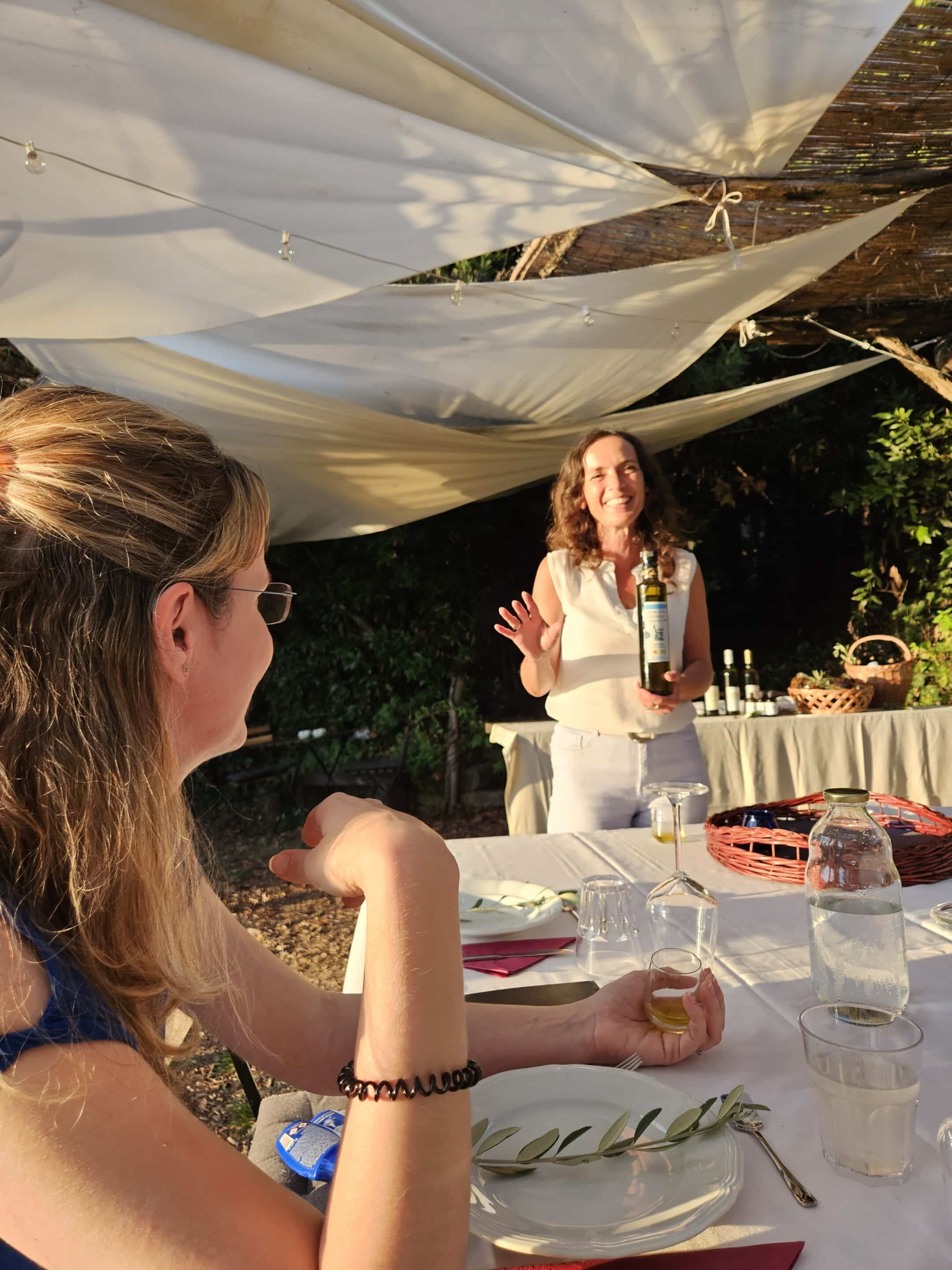
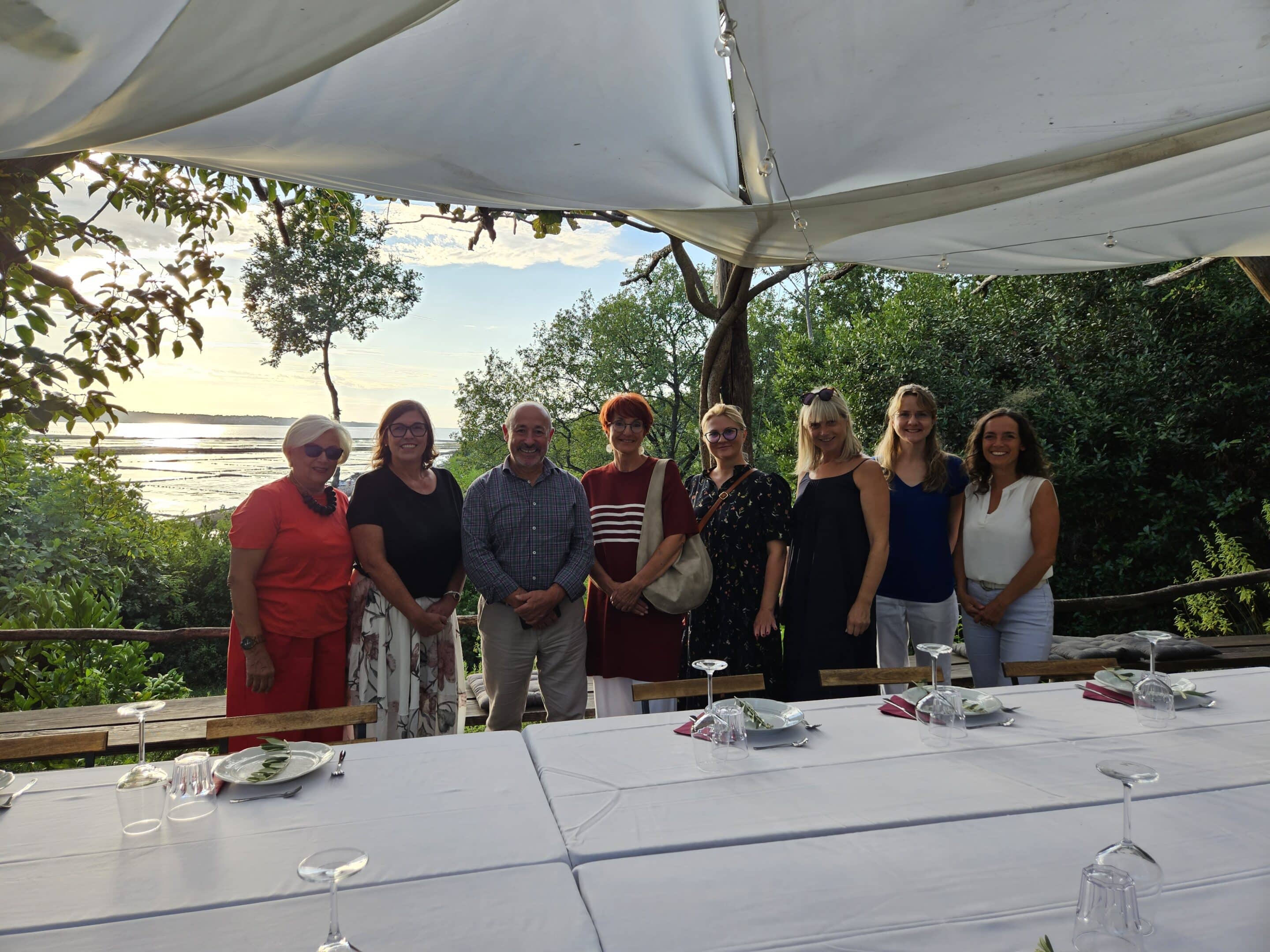
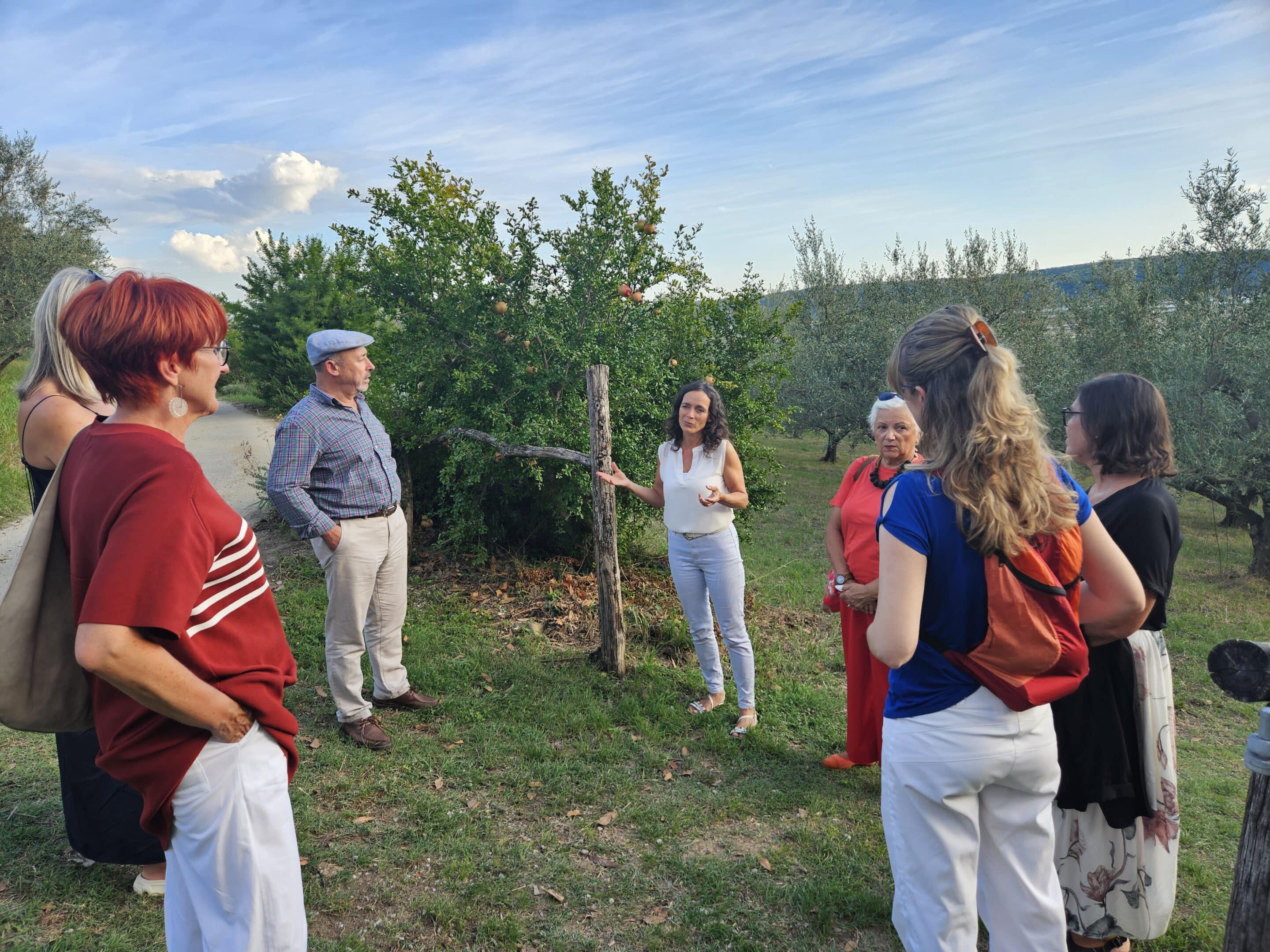
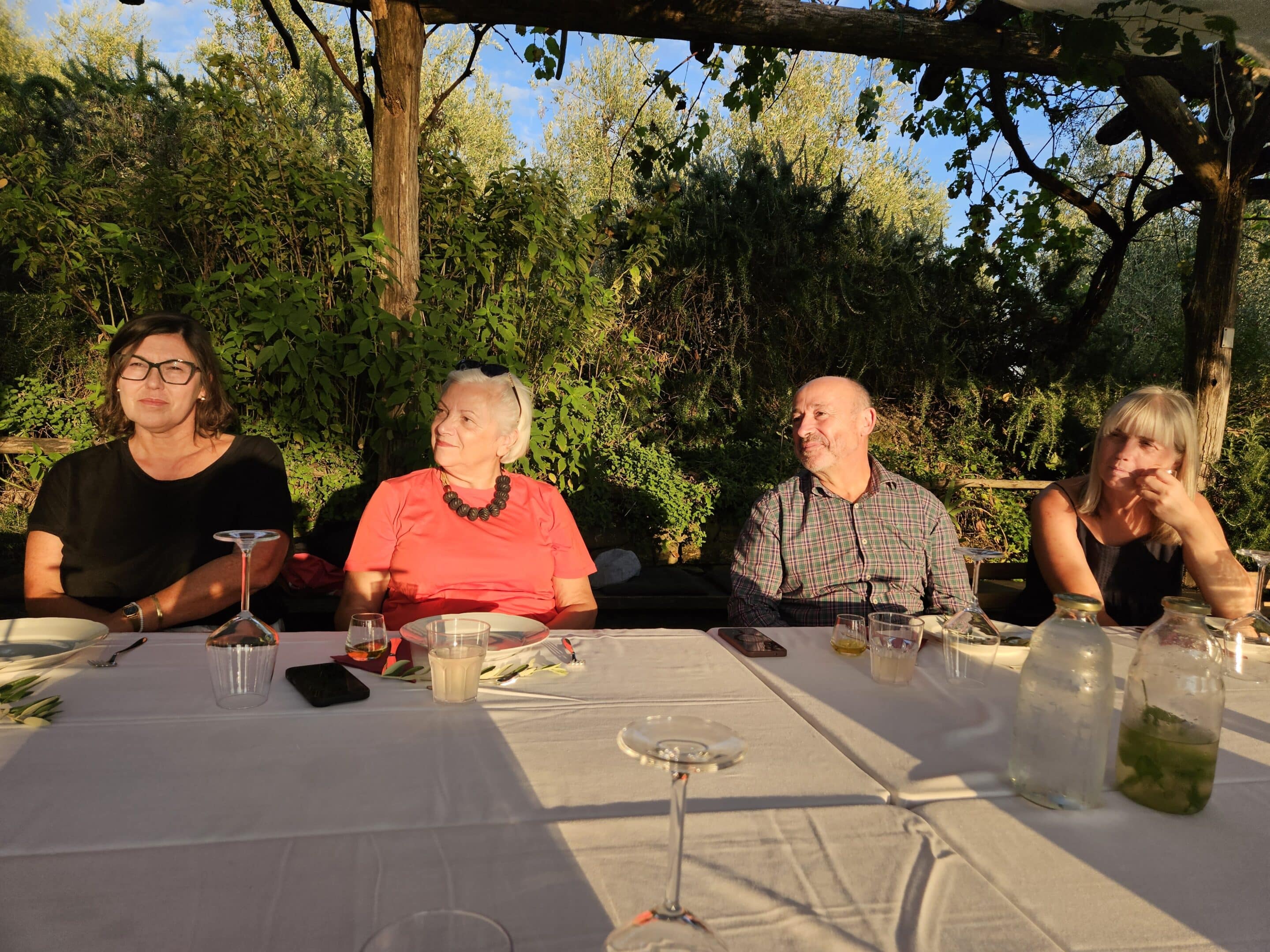
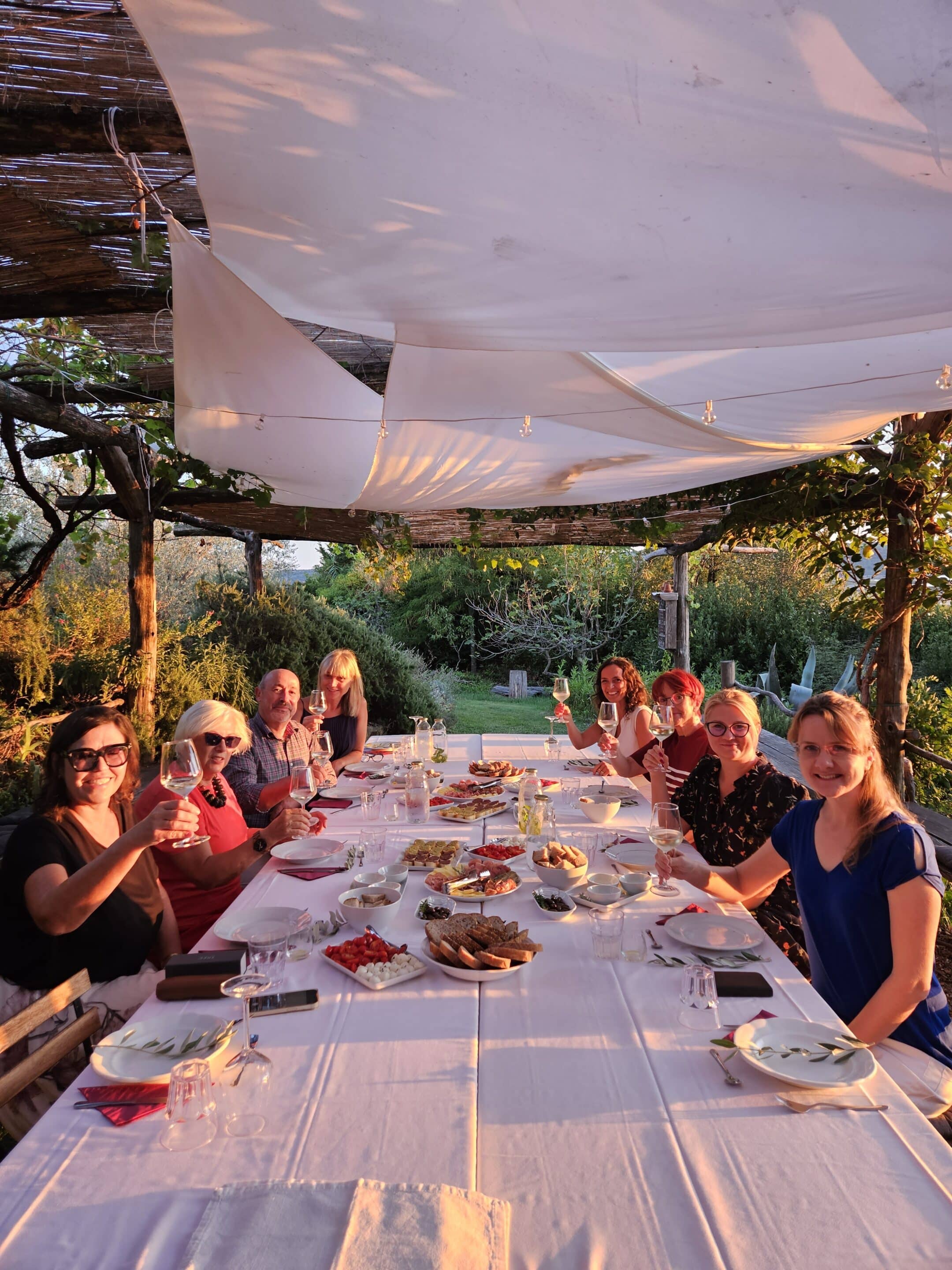
Location: Gramona Farm
The day began at the Gramona organic olive farm in Seča, near Portorož, a working example of heritage rooted in the land.
Opening Address
Irena Marš and Maja Turnšek opened the meeting, welcoming participants and outlining the shared goals of the two-day programme.
Good Practice in Action
Participants toured the farm itself, seeing first-hand how a small local producer builds a sustainable business around cultural and natural heritage.
Open Discussion
A conversation followed on the challenges facing small providers who want to take part in cultural and sustainable tourism initiatives.
Networking Dinner
The day closed with a networking dinner, giving participants from both communities time to connect informally.
Day 2 in Izola: Dialogue at Palazzo Manzioli
The second day moved to Palazzo Manzioli on Manzioli Square in Izola, where the focus shifted to the role of Cultural Routes within Mediterranean sustainable tourism.
Location
Palazzo Manzioli, Manzioli Square, Izola - offered free of charge by the EUSAIR organisers for the day's session.
Cultural Routes as a Sustainable Tourism Mechanism
A dedicated session examined how the Cultural Routes of the Council of Europe function as a mechanism for sustainable tourism across the Mediterranean.
Talk with Rui Gomes
A moderated conversation with Rui Gomes, representing the EPA and the European Institute of Cultural Routes, explored perspectives on cross-border cultural cooperation.
Moderated by Maja Turnšek
Maja Turnšek, from the University of Maribor's Faculty of Tourism, moderated the discussion, connecting the two initiatives' perspectives.


A Mediterranean-Wide Partnership
ECO-SEAROUTES brings together partners from across the Mediterranean: the Puglia Region, the Govern de les Illes Balears and AETIB, DAFNI, the Port of Saint-Florent, the Cyprus Marine and Maritime Institute, the Phoenicians' Route, and the University of Maribor. Together they span Italy, Spain, Greece, France, Cyprus and Slovenia - a truly cross-border network working toward the same goal of more sustainable, better-distributed tourism along the Mediterranean coast.
ARTOUR was built for exactly this kind of cooperation. The platform already supports several Cultural Routes of the Council of Europe in sharing content, guides and projects across borders - letting each network keep its own identity while all partners benefit from one shared infrastructure.
Learning by Moving, Together
Heritage and sustainable tourism are not learned by reading about them - they are learned by moving through them, one step, one story, one shared table at a time.
Between the olive groves of Seča and the halls of Palazzo Manzioli, Portorož and Izola did exactly that: they connected places, people and stories across borders, proving that a route only truly exists once someone walks it. That is the spirit ARTOUR was built to carry forward every day, not just during a conference week.
The platform already supports several Council of Europe Cultural Routes with mobile guides, AI-generated stories and smart itineraries that help travellers discover a destination on its own terms. These same digital tools also help distribute visitors beyond the best-known landmarks, guiding them toward lesser-known villages, rural producers and quieter coastal stretches - exactly the redistribution that initiatives like ECO-SEAROUTES are working to achieve.
Meetings like this one show why that dialogue matters: when cultural heritage networks and sustainable tourism strategies sit at the same table, the whole Mediterranean tourism network grows stronger, together.